What is Smash Factor in Golf? (And Why Every Serious Golfer Should Track It)
What is Smash Factor in Golf? (And Why Every Serious Golfer Should Track It)
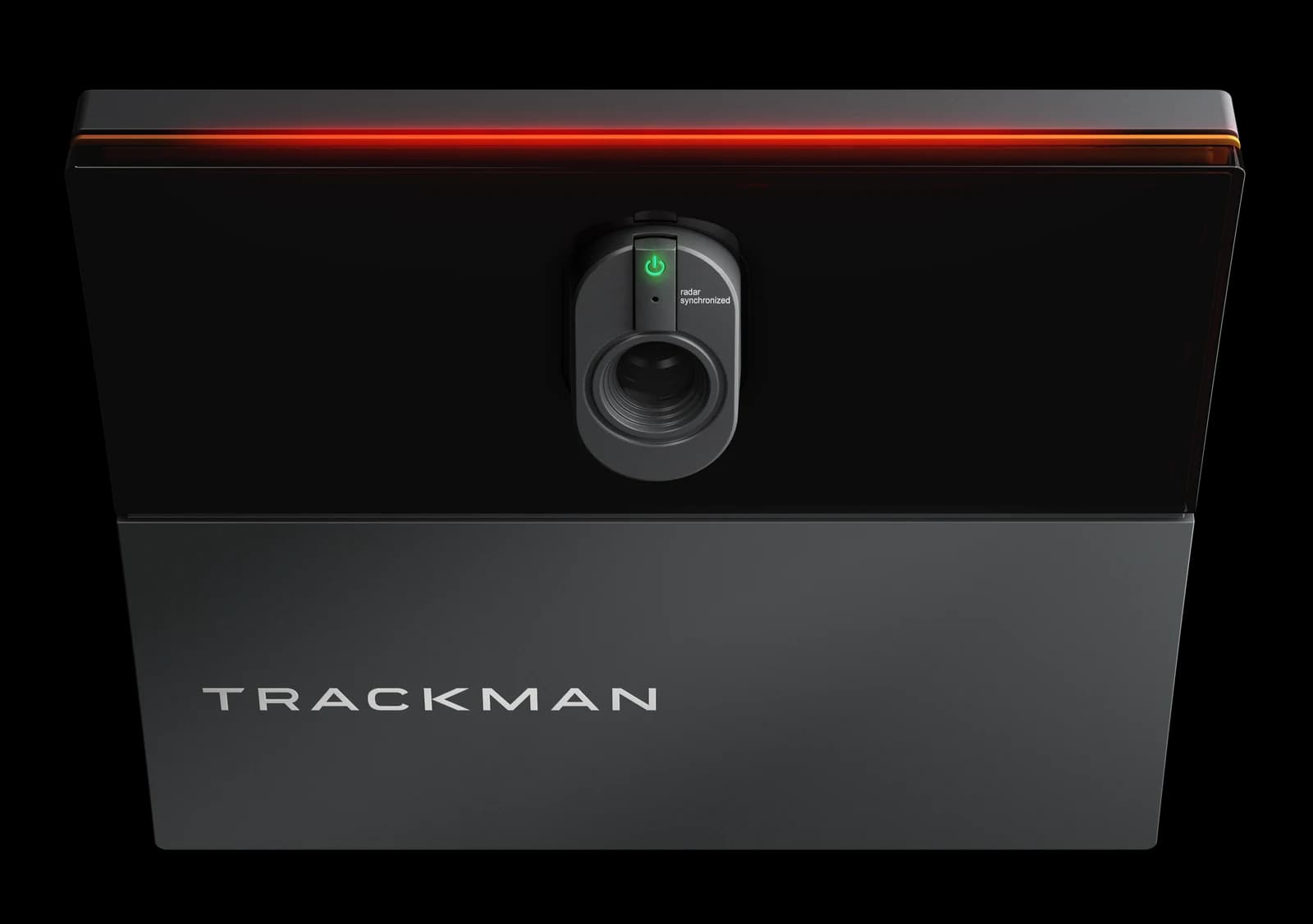
If you've ever spent time on a TrackMan launch monitor — at NeoGolf or anywhere else — you've seen a number on the screen called smash factor. Most golfers glance at it, see something like 1.42, and have no idea whether that's good, bad, or what to do about it.
This is one of the most undervalued numbers in golf. Once you understand smash factor, you understand why two golfers with the same swing speed can hit the ball thirty yards apart in carry distance. Let's break it down.
Smash Factor in One Sentence
Smash factor is your ball speed divided by your clubhead speed. It tells you how efficiently you transferred the energy of your swing into the ball.
If your driver clubhead speed is 100 mph and your ball speed is 148 mph, your smash factor is 1.48.
That's it. Simple math, but it's the single most direct readout of your contact quality.
Why Smash Factor Matters More Than Swing Speed
Most golfers obsess over swing speed. The truth is that swing speed is a ceiling — smash factor is how much of that ceiling you actually use.
Two examples:
- Golfer A: 105 mph clubhead speed, smash factor 1.35 → 142 mph ball speed
- Golfer B: 95 mph clubhead speed, smash factor 1.50 → 143 mph ball speed
Golfer B is swinging 10 mph slower and outdriving Golfer A. That's the power of clean contact. The PGA Tour average smash factor on driver is about 1.49 — meaning Tour pros squeeze almost every drop of ball speed possible from every swing.
If you're working harder than the player next to you and hitting it shorter, smash factor is almost always the culprit.
Smash Factor Benchmarks by Club
The maximum theoretical smash factor on a driver is 1.50 — limited by the USGA's COR rule (coefficient of restitution) on legal driver faces. Iron benchmarks are lower because shorter clubs simply don't have the same physics.
| Club | Average | Good | Tour Pro |
|---|---|---|---|
| Driver | 1.42 | 1.46+ | 1.48–1.50 |
| 6-iron | 1.31 | 1.35+ | 1.38 |
| Pitching wedge | 1.20 | 1.25+ | 1.27 |
If your driver smash factor is sitting at 1.35, you have somewhere between 20 and 30 yards of carry distance you're leaving on the table — without changing your swing speed at all.
Want the full club-by-club picture? Our PGA & LPGA tour averages chart lays out carry distance, ball speed, and club speed for every club in the bag — the same TrackMan numbers you'll see on your own screen at NeoGolf.
What Causes a Low Smash Factor?
When TrackMan shows you a smash number below benchmark, the cause is almost always one of three things:
1. Off-Center Contact
Hitting the heel, toe, or low on the face costs you ball speed even when your swing speed is high. The center of the driver face transfers energy most efficiently. The further off-center you strike, the more energy is lost to twist and gear effect.
This is why we use foot powder spray on the face during NeoGolf lessons — once you can see your impact pattern, you know exactly where the ball speed is leaking.
2. Negative Attack Angle With Driver
The driver is the only club where you want to hit up on the ball. A negative attack angle on driver — common with golfers who steepen down at impact — kills smash factor and adds spin you don't want. Tour drivers average +1° to +5° angle of attack. Most amateurs are at -2° to -4°.
We often pair smash factor work with attack angle work on TrackMan because they go together.
3. Poor Sequencing
If your hands are arriving at impact ahead of the club face squaring up, or your body is stalling and the club is flipping past it, the strike loses efficiency. Smash factor is the downstream signal that something upstream in the sequence is off.
This is one of the reasons we incorporate balance and sequencing drills from the NeoFit TPI program into golf instruction at NeoGolf — efficient sequencing is what unlocks consistent ball-striking.
How to Improve Smash Factor on TrackMan
The path forward depends on which of the three causes above is yours. Here's the diagnostic flow we use at NeoGolf:
- Hit ten balls and screen-grab the average. Don't act on a single shot — the variance from one ball to the next will tell you whether you have a contact problem (high variance, smash factor swinging from 1.32 to 1.49) or a technique problem (consistent low smash factor across all ten).
- Check attack angle and dynamic loft. TrackMan shows both. If your attack angle on driver is negative, that's the first lever. If your loft is delivering well above your club's static loft, your hands are likely flipping.
- Spray the face. Foot powder. Hit five more balls. Where's the impact pattern?
- Record and review. Camera angle from face-on AND down-the-line. Watch the sequence.
Most golfers can add 0.05 to their smash factor in a single TrackMan session once they see the data. That's about 4–5 mph more ball speed and 8–12 yards more carry on driver.
See Your Smash Factor at NeoGolf
Every bay at NeoGolf in D'Iberville and Ocean Springs runs full TrackMan. Smash factor, ball speed, attack angle, and twenty-plus other data points are on the screen in front of you on every shot.
If you've never seen your numbers, that's the place to start. Book a free 30-minute trial or schedule a TrackMan lesson with one of our PGA Professionals — you'll walk out understanding your swing in a way you never have before.
Related reading:
- What is TrackMan and how does it make you a better golfer?
- TPI Golf Assessment — what we measure and why
- Indoor golf benefits — why simulator practice beats the range
Ready to find your number? Book a TrackMan session or come in for a free trial. And if you want to track your smash factor every session, a NeoGolf membership gives you unlimited 24/7 TrackMan access at both locations.
Ready to experience NeoGolf?
Book a free 30-minute trial, work with a PGA Professional, or reserve unlimited bay time on TrackMan iO — at NeoGolf D'Iberville & Ocean Springs.