What is a TPI Golf Fitness Assessment and Do You Need One?
What is a TPI Golf Fitness Assessment and Do You Need One?
If you've ever been told to rotate your hips more, clear your left side faster, or maintain your spine angle through impact — and found that no matter how hard you tried, your body simply wouldn't do it — the issue is probably not your understanding. It's your body.
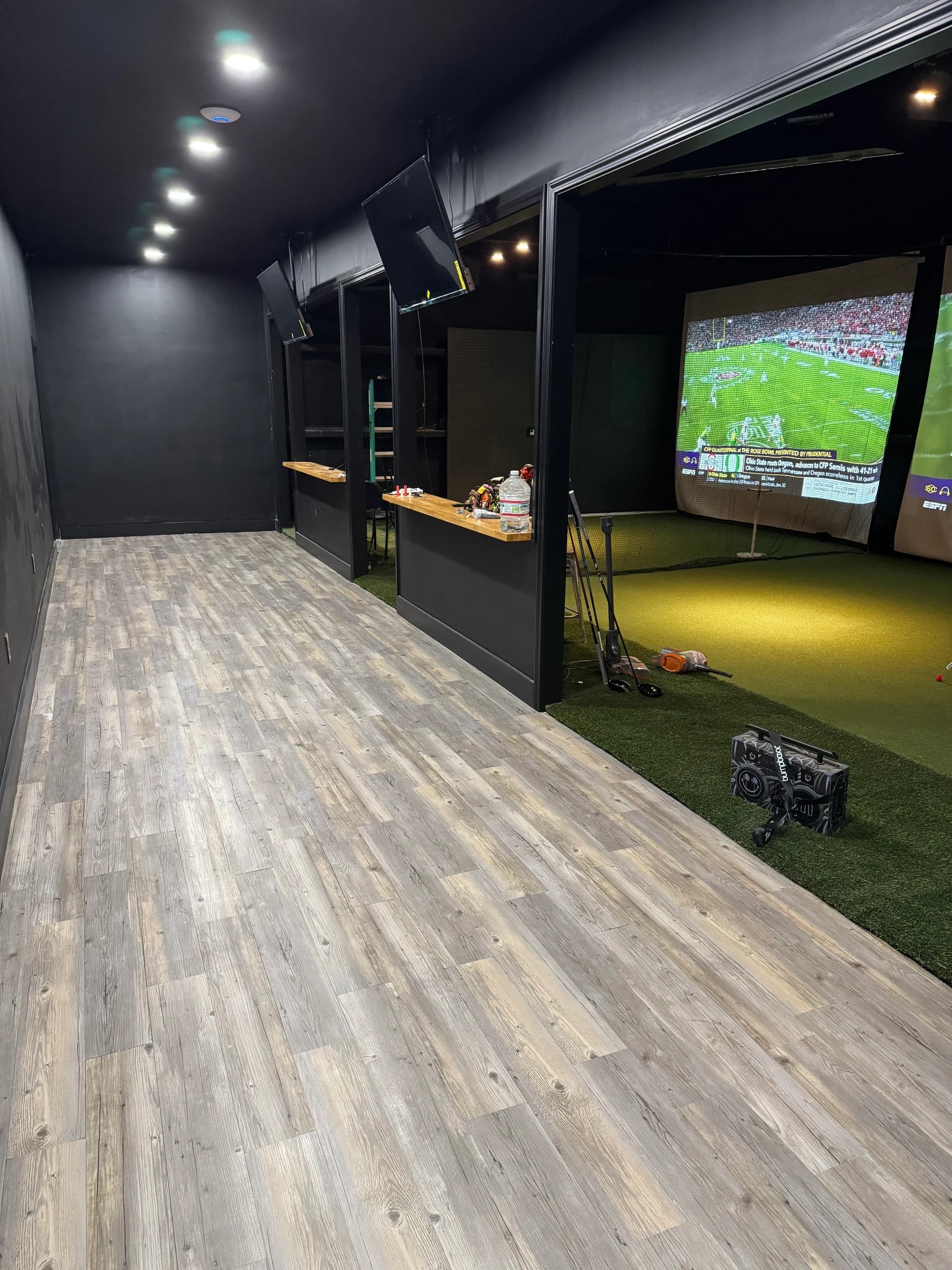
This is the central insight behind the Titleist Performance Institute (TPI) approach to golf improvement, and it's something we incorporate into instruction at NeoGolf in D'Iberville, Mississippi.
What is TPI?
The Titleist Performance Institute has studied the connection between the human body and the golf swing more extensively than any other entity in the sport. Their core finding: there is no single "correct" golf swing, but there are physical requirements that every effective swing shares. If your body can meet those requirements, you have options. If it can't, your body will compensate — and compensations produce the inconsistent, frustrating ball flights that send golfers searching for answers.
How the TPI Assessment Works
The assessment is a 16-point physical screening that evaluates hip rotation, thoracic spine mobility, shoulder flexibility, single-leg balance, core stability, and pelvic control. Results fall into three categories: functional, dysfunctional, or painful.
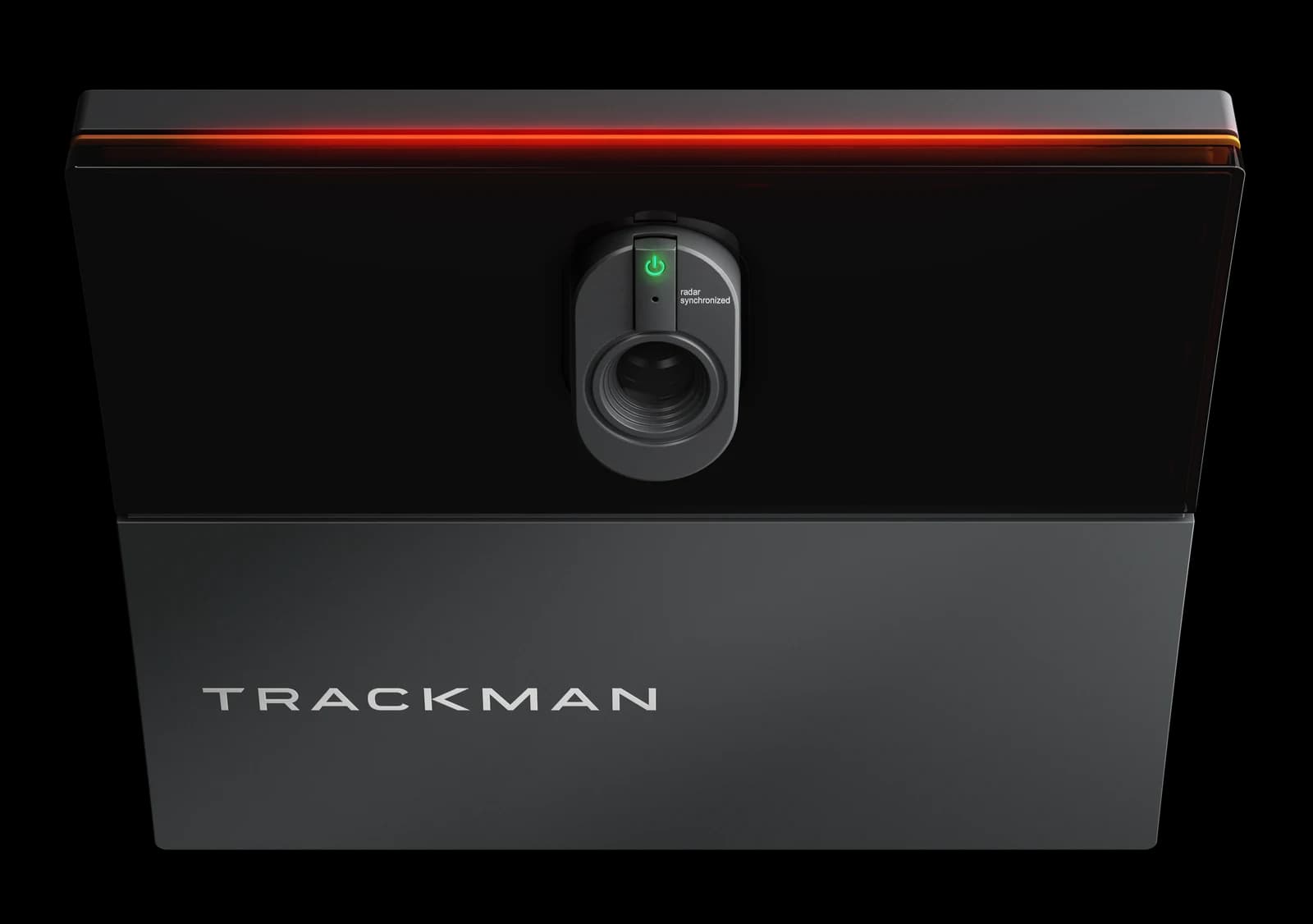
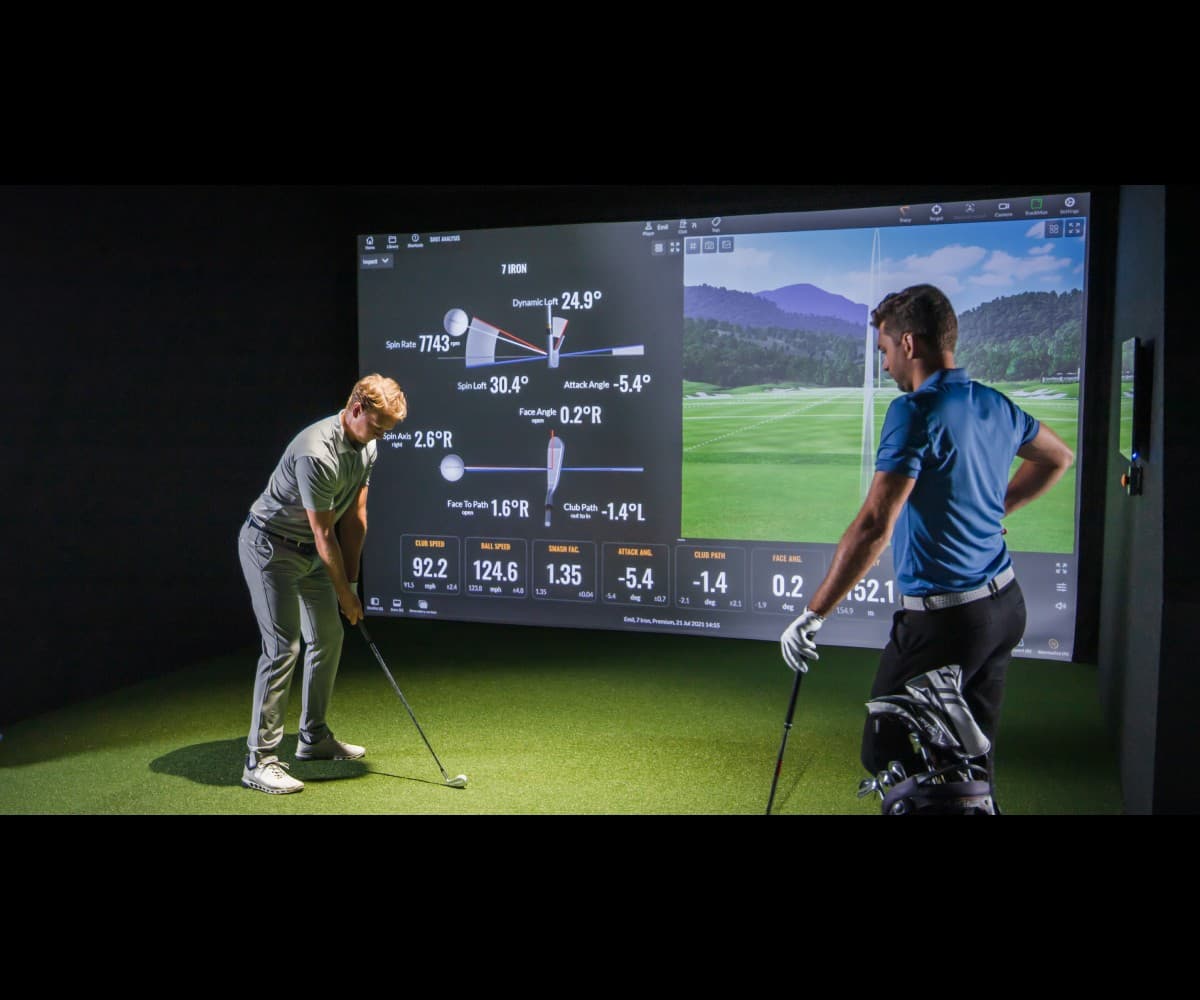
As a TPI Certified instructor, I correlate the results with Trackman data. When a golfer's screen shows limited hip internal rotation and their Trackman shows early extension and high spin rate, those connect directly. Fix the physical issue, and the swing improves without conscious swing changes.
The 5 Most Common Physical Limitations
Limited hip rotation. The number one finding. Desk jobs, driving, and inactivity tighten the hip capsule.
Restricted thoracic spine mobility. Compensations include over-rotating the lower back or lifting the arms.
Weak or inactive glutes. Golfers compensate with arms and lower back, losing power and consistency.
Poor single-leg balance. Unstable base produces inconsistent contact and loss of posture.
Limited ankle mobility. Affects weight shift in the downswing.
What Happens After the Assessment
Section by Dr. Robby Ellis, DPT
If a movement is dysfunctional (no pain), the solution is a targeted fitness program at NeoFit Performance, where coaches build golf-specific programs based on exact TPI results. NeoFit is in the same complex as NeoGolf.
If a movement is painful, the solution is clinical evaluation at NeoLife Physical Therapy before any training begins. Pain during a TPI screen can indicate joint dysfunction, soft tissue pathology, or nerve involvement that needs diagnosis by a licensed physical therapist.
The path is clear: TPI assessment at NeoGolf reveals the issue. NeoFit fixes the fitness limitations. NeoLife treats the clinical limitations. Then you return to NeoGolf with a body that can execute the swing.
Contact NeoGolf at 228-300-9134 to schedule a TPI assessment with Allan Martel, PGA.
Frequently Asked Questions
Q: How long does a TPI assessment take? The physical screening takes 30-45 minutes. Combined with a Trackman lesson, plan for 60-90 minutes.
Q: Do I need to be in good shape? No. The screen evaluates your current capabilities. It's diagnostic, not a fitness test.
Q: How quickly will I see improvement? Most golfers see measurable Trackman improvements within four to six weeks of consistent TPI-based training.
NeoGolf is part of NeoVerse Enterprise, founded by Dr. Robby Ellis, DPT, on the Mississippi Gulf Coast. → NeoGolf — Indoor Golf & Trackman Lessons in D'Iberville → NeoFit Performance — Sports Performance Training in D'Iberville → NeoLife Physical Therapy — 4 Gulf Coast Clinics
Ready to experience NeoGolf?
Book a free 30-minute trial, work with a PGA Professional, or reserve unlimited bay time on TrackMan iO — at NeoGolf D'Iberville.